

In recent times, specialists from the federal body for Indigenous peoples trekked over a vast distance through lush Amazon jungle on the southern border of the Amazon basin. Their mission was to observe and assist in defending an tribe with little to no interaction with the contemporary society.
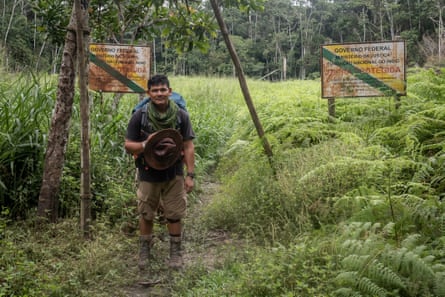
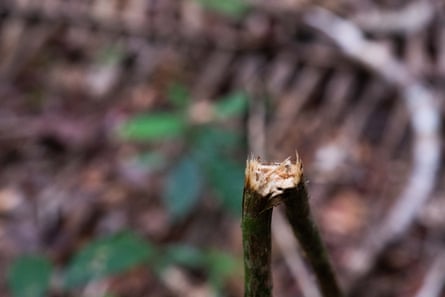
Their findings included a freshly woven container made from forest foliage, a youthful tracks by a riverbank, and branches freshly cut to gather honey. They also found old huts sinking into the forest and remnants of foraged food near previous campsites. These were all telltale indicators that the isolated tribe remained in the area.
Bureaucratic Delays Hinder Constitutional Protection
Despite a judicial directive calling for a protection plan for the vulnerable tribe, the national authorities has not followed through. The court-ordered plan included speeding up the boundary setting of their ancestral domain and detailing anti-logging strategies.
Red tape, financial shortfalls, and violent land conflicts—involving assaults by leaders associated with the logging industry—have stalled the entire process.
Without established perimeters, timber companies and cattle farmers keep moving in, leaving the Kawahiva at grave risk of physical elimination. Rights groups label the delay a willful and life-threatening violation of the Brazilian law.
“The delay in demarcation is not only unlawful, it is also extremely dangerous.”
Shrinking Wilderness
The proposed one-million-acre Indigenous land remains without complete legal status, as mandated by law. It is considered the biggest undefended woodland in Brazil that is inhabited by isolated tribes.
On the edges of the reserve's boundaries, the view changes dramatically. The vegetation is cleared for pastureland. Barbed wire and barriers are installed, and access routes are extending deeper into the pristine forest.
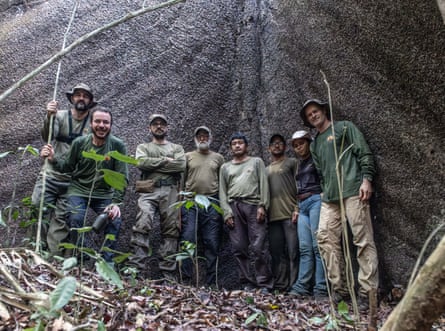
Following the expedition, a director for land defense vowed to finalize the demarcation. “We are making every available means to make certain that the Kawahiva land gets official status,” the official stated.
Financial Obstacles and Growing Threats
Physical demarcation of the vast territory involves installing boundary posts. This is seen as a crucial action to convince loggers and farmers that the state will enforce about upholding the law. However, the process remains stalled.
Money has been a major stumbling block. Initial plans to use federal payments from a highway project fell through. The agency has since sought other sources.
It has now engaged a research center. “This is a collaborative effort that we’ve used successfully before,” explained an official. “The demarcation process is planned to begin in the first part of 2026.”
The institute confirmed that negotiations were advanced but did not give a start date.
Complicating everything is what officials term a “volatile condition in the region,” which is expected to require an security detail during any field operations.
Threats and Intimidation
The risk of attack is real. In the past, an group of invaders stormed a government base in the territory, resulting in a violent clash where one attacker was killed. Years later, heavily armed police were deployed in the area.
Earlier this year, an recorded message surfaced in which a man, identifying as a local leader, threatened the lead field agent. The individual, connected to local loggers, boasted to have conducted an expedition “trying to find those isolated Indians.”
He is allegedly charged with several environmental crimes, including charges related to the attempted murder on the agent. “Our operations are hindered because of this guy,” the man said in the recording.
The Political Clock
Anthropologists and observers point out that it has been over a quarter-century since the existence of the isolated group was verified. “Since then, land-grabbers have fought against the protective measures in court,” noted one expert.
They raise a concerning idea: that the present holdup is a politically motivated barrier rather than a bureaucratic one. This leads to apprehension that action may not happen even in the near future.
The electoral calendar adds urgency. Many believe that the current term represents the closing window for this land protection initiative to be achieved, before a potential change in government could stop similar processes, as has happened before.
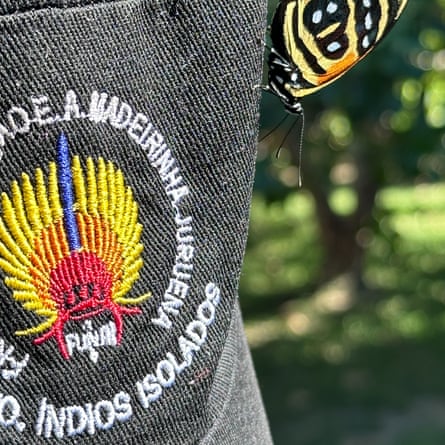
The legal ruling was the result of a petition filed by a coalition of native peoples. The court recognized the “risk of genocide, food insecurity, and cultural loss” facing the community.
A lawyer involved described the process as “not moving,” with the court expecting implementation. The consequences of delay are stark. “It is also extremely dangerous and puts the lives at risk of the isolated Kawahiva,” warned a representative from an international advocacy group.


